Varieties of High-Quality Hardwood Lumber
There is a plethora of incredible hardwoods that are commercially viable. These wood products cover a vast range of species of trees, each with its own particular aesthetic, quality, and use case. One region in particular is home to an impressive variety of hardwood trees. This region is Appalachia.
Appalachia's diverse climate, elevation changes, soil conditions, and forest ecosystems support numerous hardwood species. North Carolina and the surrounding Appalachian states are particularly well known for producing high-quality timber that serves domestic and international markets.
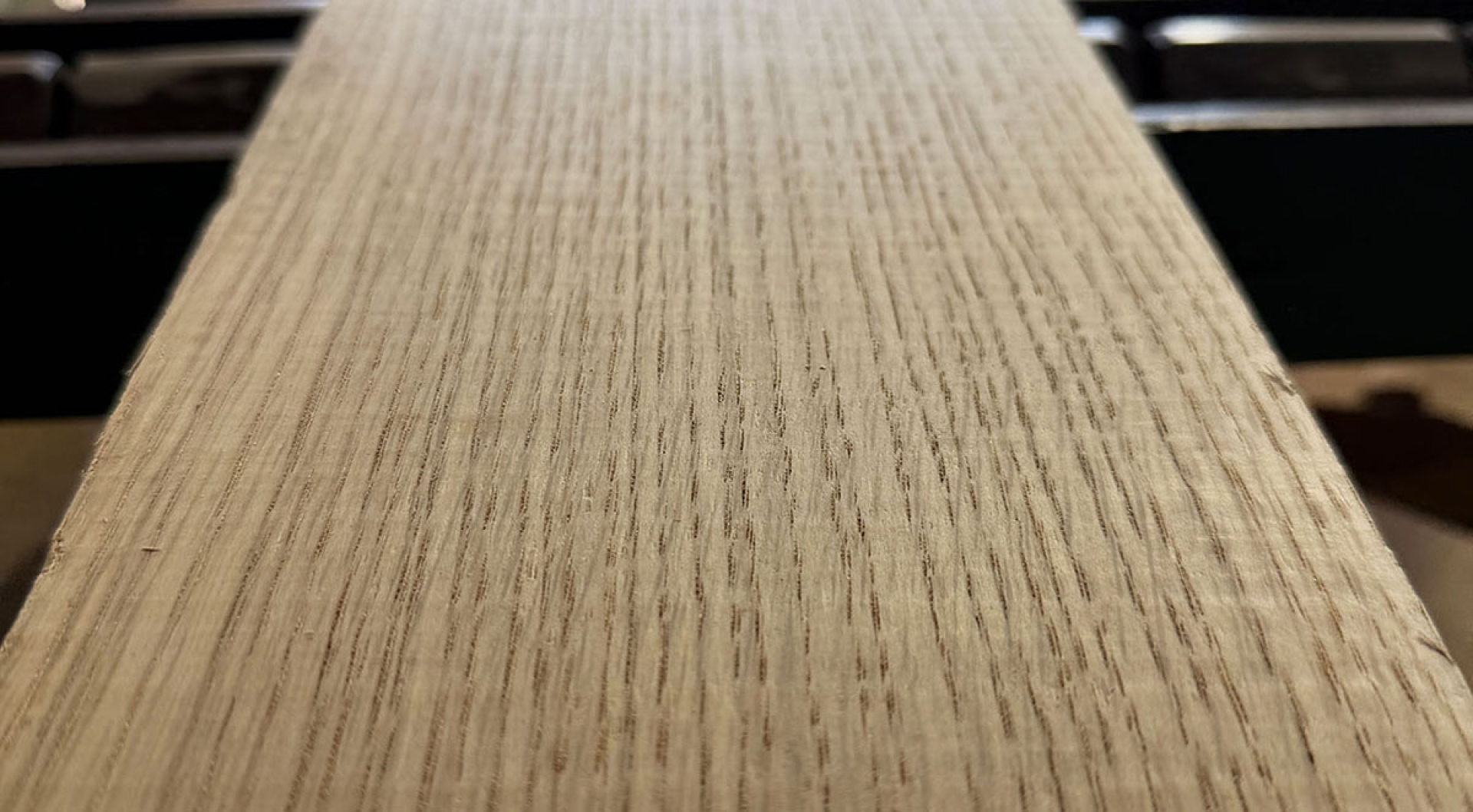
- White Oak: White oak is prized for its strength, durability, and attractive grain. Its light to medium brown color and resistance to moisture make it a popular choice for hardwood flooring, cabinetry, furniture, doors, and architectural millwork.
- Red Oak: Red oak features a warm, reddish-brown color and pronounced grain. It is strong, readily available, and relatively easy to machine and finish. Common applications include flooring, furniture, cabinets, doors, stair components, and interior trim.
- Hickory: This is one of the toughest domestic hardwoods, known for its hardness, strength, and impact resistance. Its contrasting light and dark tones create a distinctive appearance in flooring, furniture, and cabinetry.
- Black Walnut: Black walnut is highly valued for its rich brown color, attractive grain, and excellent workability. It machines and finishes well, making it a favorite for premium furniture, cabinetry, dining tables, decorative panels, and interior millwork.
- Cherry: American black cherry is known for its smooth grain and warm reddish-brown color, which deepens with exposure to light.
- Yellow Poplar: Yellow poplar is a versatile, relatively lightweight hardwood that is easy to machine, plane, and paint. Its pale color and generally straight grain make it useful for painted cabinetry, furniture components, doors, moldings, and interior millwork.
- Maple: Maple is a dense, light-colored hardwood valued for its smooth grain and resistance to wear. It is commonly used for flooring, butcher blocks, work surfaces, furniture, cabinetry, and specialty manufacturing.
- Sycamore: American sycamore features a pale color and distinctive grain, particularly in quarter-sawn lumber, where it can display attractive flecked patterns. It is used for furniture, cabinetry, drawer sides, interior paneling, and decorative millwork.
High-Quality Hardwood Lumber is Consistent
One of the most important reasons why it is important to use higher-quality lumber is due to the fact that, more often than not, it is consistent across runs. The best quality lumber mills will ensure that lumber stays within particular tolerances. These tolerances can be tighter when needed for special projects.
One of the benefits of working directly with a lumber mill is that customers may customize their orders to meet certain needs for their project. High-quality hardwood lumber mills will be able to meet those needs with quality and consistency at the top of the priority list.
High-Quality Hardwood Lumber is More Durable and Longer Lasting
Another important aspect to consider when choosing whether or not you should use higher quality lumber is its durability and longevity. High-quality hardwood lumber can withstand years of use when properly selected, installed, and maintained. Species such as white oak, hickory, and hard maple offer strength and wear resistance for demanding applications.
High-Quality Hardwoods Showcase a Finer Finish
The finished appearance of hardwood products depends partly on the quality of the lumber used in the production of the board. The surface quality, natural grain, moisture level, and initial preparation directly impact how effectively your timber accepts sanding, staining, painting, or clear coats.
Well-prepared premium timber creates a sleek, eye-catching exterior that guarantees a truly professional outcome. Woods like American black cherry and walnut are frequently chosen for their deep natural hues and exceptional ability to showcase brilliant clear topcoats, whereas varieties like oak feature bold grain characteristics ideal for emphasizing with custom stains.
When applying paint rather than stains, species such as yellow poplar can be useful due to their workability and suitability for paint.
Long-Term Value and High-Quality Hardwoods
Simply put, higher quality lumber offers lasting value when used properly. Although premium hardwood lumber may carry a higher initial price, its durability and appearance alone make it a worthwhile investment.
For example, hardwood flooring made from an appropriate species can provide years of service with proper care. Quality hardwood furniture can also retain its usefulness and visual appeal for decades, depending on construction, maintenance, and environmental conditions.
Buying High Quality Hardwood Lumber Supports Regional Timber Industries
When sourcing high-quality lumber, working with regional sawmills can help build long-term relationships with manufacturers that understand local timber resources and can provide the best quality product to meet just about any need.
This is especially true of Appalachia, as the region supports a longstanding hardwood industry, connecting forest landowners, timber buyers, sawmills, lumber processors, and manufacturers. This network provides access to a variety of species and expertise in matching lumber to different applications.
Regional sourcing may also offer practical advantages, depending on the buyer's location and supplier capabilities, including shorter transportation distances, easier communication, and more direct access to information about available lumber.
Choosing the Right Hardwood Lumber for Your Project
High-quality hardwood lumber offers important advantages, from durability and natural beauty to manufacturing consistency and long-term value. However, the best choice depends on the intended application, production requirements, budget, and desired finished appearance.
Before purchasing hardwood, manufacturers should evaluate species, grade, moisture content, dimensions, surface quality, and the conditions in which the finished product will be used. These considerations help ensure that the lumber performs as expected and supports an efficient manufacturing process.
Select Hardwoods serves the Appalachian hardwood industry with access to species including white oak, red oak, hickory, ash, beech, cherry, walnut, and yellow poplar. With the right material specifications, businesses can source hardwood lumber suited to a wide variety of manufacturing and woodworking applications.
Whether you are producing cabinetry, furniture, flooring, or architectural millwork, selecting appropriate hardwood lumber is an important step toward creating durable, attractive, and reliable products.
Contact Select Hardwoods to discuss your hardwood lumber requirements and find materials suited to your next project.