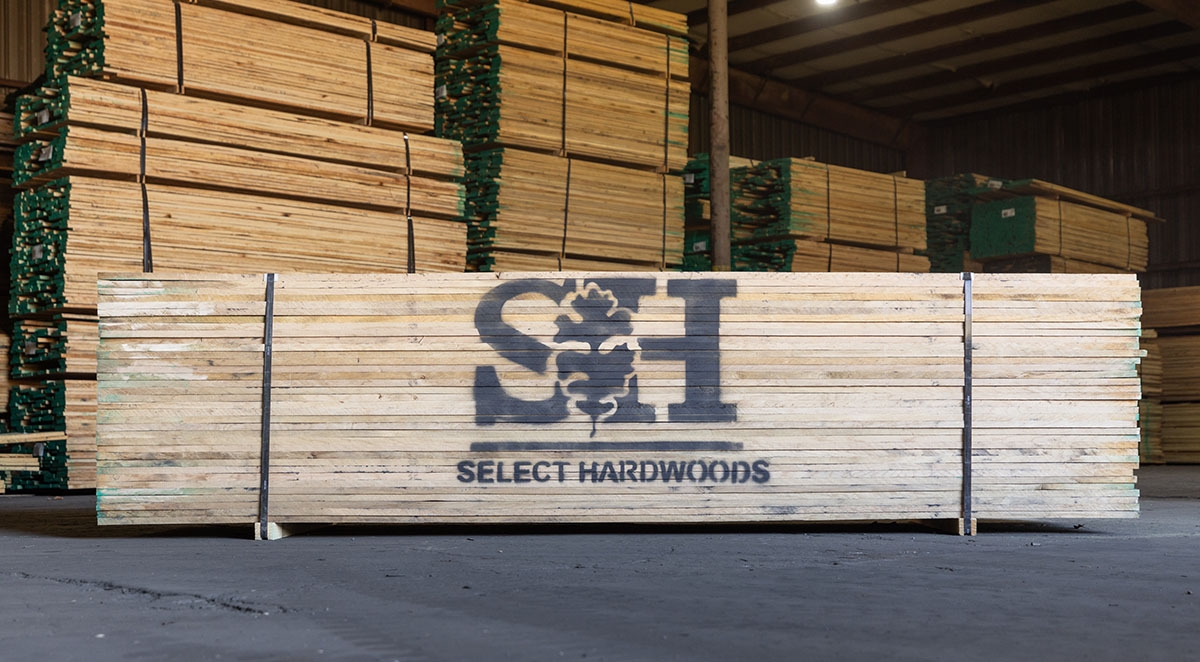
For years, cabinetmakers have been crafting cabinets with nearly every type of wood imaginable. Their knowledge of quality wood is nearly unmatched, as they provide a product that is meant to hold up to everyday use while also looking aesthetically pleasing. In many kitchens, cabinets are one of the primary design elements that set the tone for the rest of the kitchen layout and character.
Choosing proper lumber for kitchen cabinets can shape nearly every other choice in a kitchen. The wood species for kitchen cabinets will determine how cabinets age, take stain or paint, resist wear, and the overall feel. From red oak to walnut, the right type of wood for your kitchen cabinets depends on the layout, design, and particular aesthetic of your kitchen. It is also important to consider budget, as different species of wood can fetch a premium due to their quality and accessibility
In this guide, we will discuss the various types of hardwood lumber that are best used in cabinet making, as well as their benefits and drawbacks.
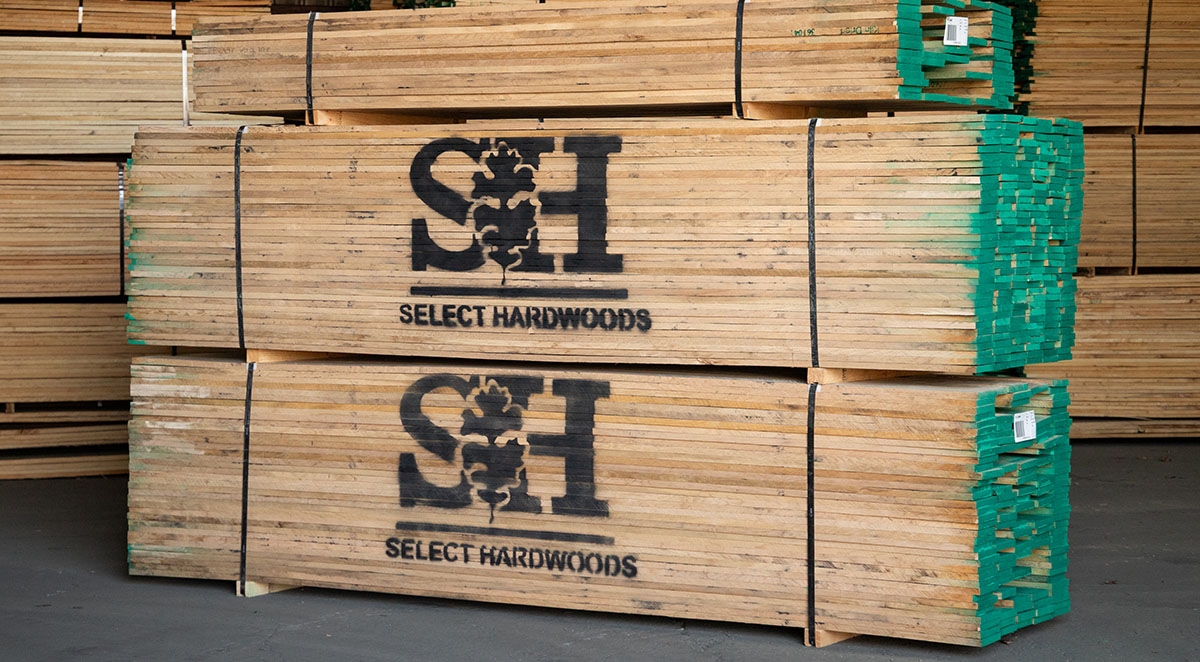
Builders, manufacturers, and do-it-yourselfers alike are all constantly looking for the best wood products for their projects. Whether it is a full-scale cabinet-making business, a flooring manufacturer, or a custom furniture hobbyist, the right lumber can make or break a project. Hardwoods especially have a variety of uses that don't always align with a particular application. Choosing the right type of hardwood is vital to any project's success.
Working with a lumber company to help choose hardwood products can ease the pain of not knowing. Any good lumber company should be able to help you navigate through the different species, grades, and qualities of wood products on hand to choose the right lumber for your project.
In this blog, we will discuss the different qualities of hardwood lumber, as well as several species and their uses.
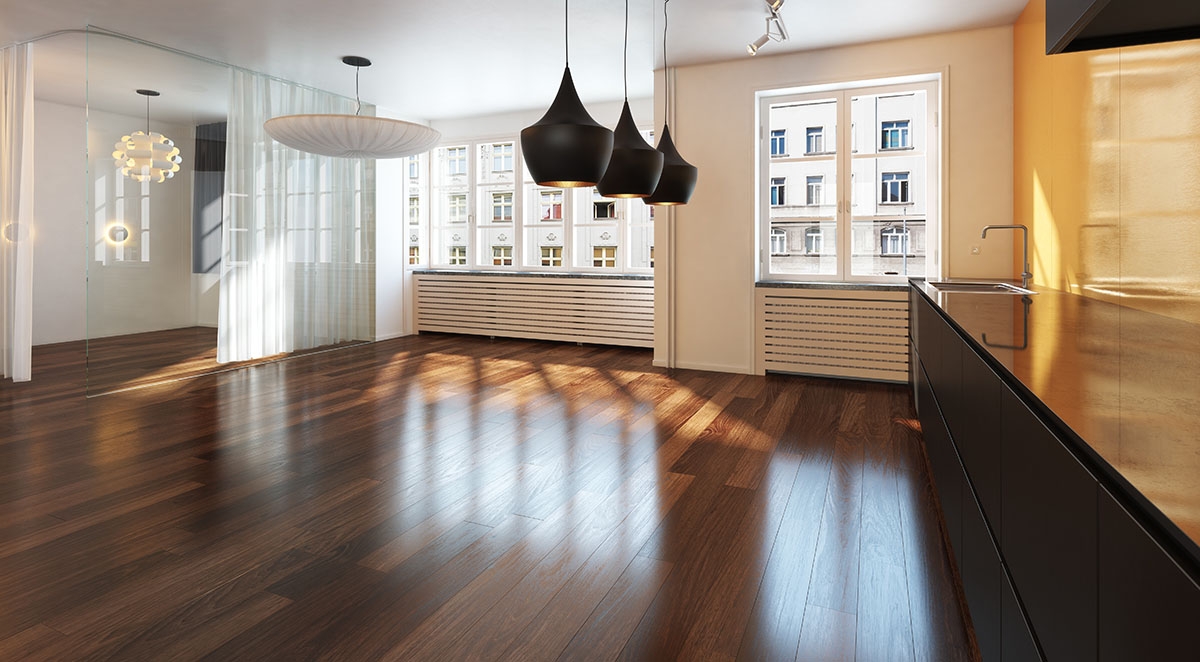
Hardwood flooring has to do more than create an attractive surface. It must withstand foot traffic, furniture, pets, dropped objects, seasonal humidity changes, cleaning, and years of regular use. Choosing the right species can improve the floor’s durability while giving the room the color and grain pattern the project requires.
Hardness is an important part of the decision, but it should not be the only consideration. A very hard wood can still move as moisture levels change. A slightly softer species may perform well when it is properly dried, installed, and finished. Grain, board width, sawing method, grade, and maintenance expectations also influence how a finished floor performs.
The hardwood products available from Select Hardwoods include several species commonly used for residential and commercial flooring, including white oak, red oak, hickory, ash, walnut, and cherry. Each one offers a different balance of durability, appearance, stability, and cost.
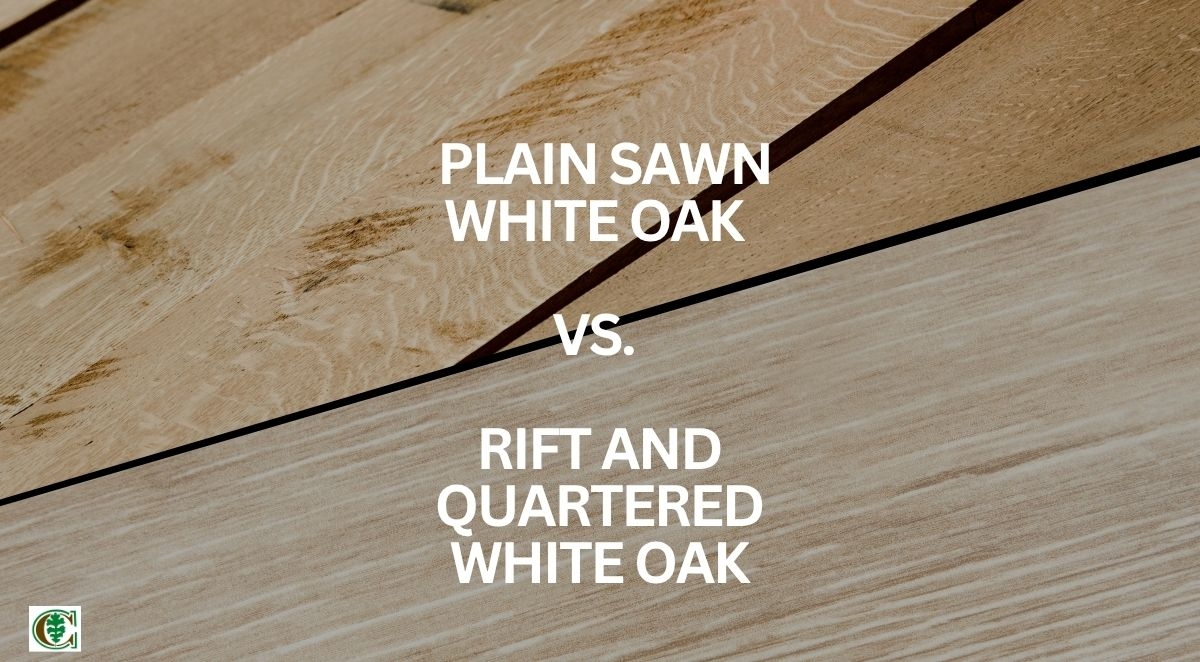
White oak is widely used for flooring, furniture, cabinetry, doors, paneling, and architectural millwork. Its strength, wear resistance, and recognizable grain make it useful for both high-volume manufacturing and custom woodworking. However, choosing white oak is only the first part of the decision. Buyers also need to determine how the lumber should be sawn.
Plain sawn white oak and rift and quartered white oak come from the same general species group, but their cutting patterns produce meaningful differences in appearance, stability, yield, and price. Plain sawn lumber emphasizes cathedral grain and efficient log recovery. Rift and quartered lumber offers straighter grain, more controlled figure, and reduced movement across the board’s width.
Understanding those differences can help manufacturers, builders, designers, and woodworkers choose the right material without paying for features that a project does not require.