Ash
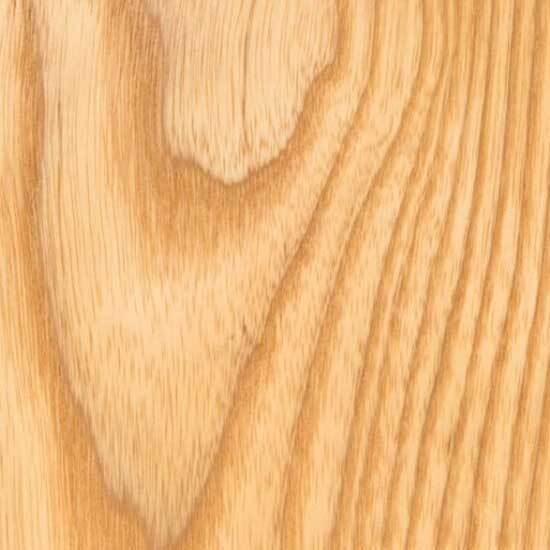
Ash is a strong, practical American hardwood known for its light color, straight grain, shock resistance, and dependable workability. The sapwood is light-colored to nearly white, while the heartwood can vary from grayish brown or light brown to pale yellow streaked with brown. The availability and degree of light-colored sapwood, along with other properties, can vary depending on the growing region.
Ash is generally straight-grained with a coarse, uniform texture. Its combination of strength, relatively light weight, and excellent shock resistance makes it useful in a wide range of products, from furniture and flooring to tool handles, baseball bats, and sporting equipment.
Ash Grades
Physical Characteristics
Ash has very good overall strength properties relative to its weight. It is especially valued for excellent shock resistance and good steam-bending performance. These characteristics make ash a strong option for applications where the wood needs to handle impact, bending, repeated use, or shaping.
- Color Variation: Ash sapwood is light-colored to nearly white, while the heartwood varies from grayish or light brown to pale yellow streaked with brown.
- Regional Variation: The amount of light-colored sapwood and other properties can vary according to the growing region.
- Texture and Grain: Ash is generally straight-grained with a coarse, uniform texture.
- Strength-To-Weight Performance: Ash has very good overall strength properties relative to its weight.
- Shock Resistance: Ash has excellent shock resistance, making it useful for products that must withstand impact.
- Steam-Bending Performance: Ash is good for steam bending, which supports its use in shaped and curved components.
- Dimensional Performance: Ash dries fairly easily with minimal degradation and has little movement in performance.
Applications
Common applications for Ash include:
- Furniture: Ash is used for furniture that benefits from strength, workability, and a light hardwood appearance.
- Flooring: Ash flooring offers durability, grain character, and good performance in interior spaces.
- Doors: Ash can be used for doors where strength, appearance, and dimensional performance are important.
- Architectural Millwork And Moulding: Ash works well for trim, moulding, and millwork because it machines cleanly and takes stain well.
- Kitchen Cabinets: Ash can be used for cabinets that need a strong hardwood with a visible grain pattern.
- Paneling: Ash paneling provides a light-colored hardwood look with a coarse, uniform texture.
- Tool Handles: Ash’s shock resistance makes it useful for handles that must absorb impact and repeated force.
- Baseball Bats: Ash has long been used for baseball bats because of its strength-to-weight properties and shock resistance.
- Sporting Equipment: Ash is suitable for sporting goods and equipment that need strength, resilience, and impact resistance.
- Turnings: Ash machines and turns well, making it useful for shaped wood components.
- Food and Liquid Containers: Ash is particularly suitable for food and liquid containers because it has no odor or taste
Select Hardwoods Ash
Select Hardwoods supplies ash for customers who need a dependable domestic hardwood with strong performance characteristics and practical workability. Ash is a useful option for furniture makers, flooring manufacturers, cabinet shops, millwork producers, door manufacturers, sporting goods manufacturers, and other hardwood buyers who need strength without excessive weight.
Because ash can vary by growing region, lumber selection matters. Select Hardwoods can help customers evaluate ash for applications where sapwood color, grain, strength, shock resistance, steam-bending performance, and finish quality are important to the finished product.
For Domestic Sales:
Contact Josh Gowan
336-262-9696
For Export Sales:
Contact John Linn
336-566-8350
Additional Information
For more information about Ash and other hardwood products, explore our related product pages and blog content covering hardwood characteristics, applications, grades, and milling processes to help you choose the right hardwood for your project.
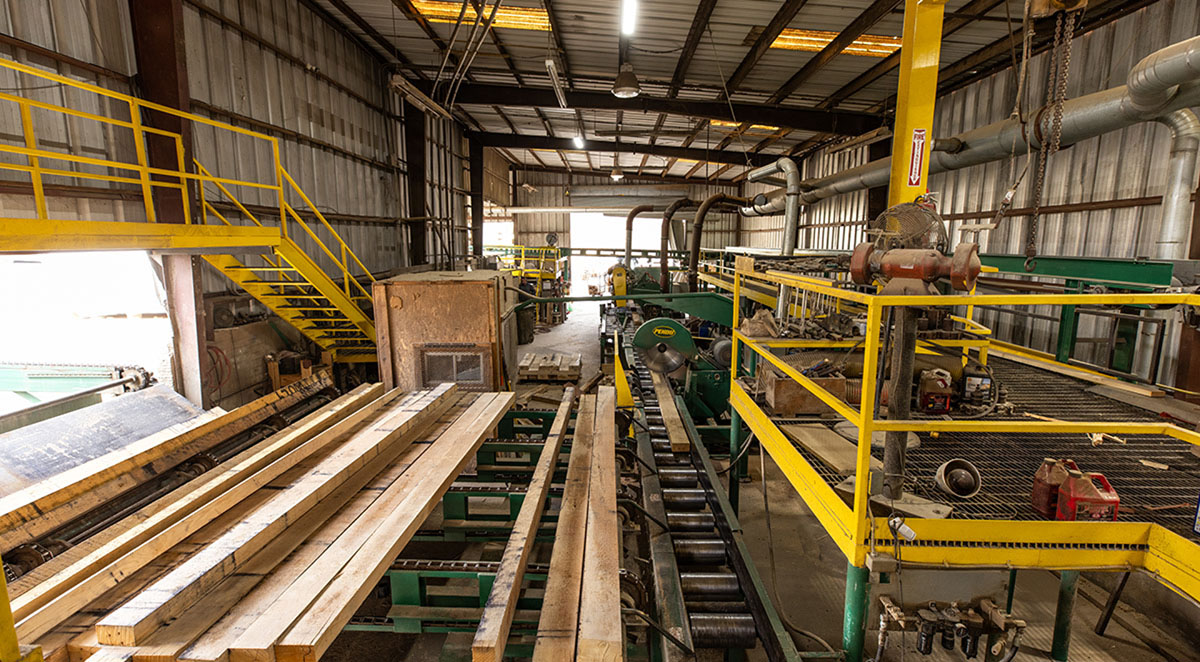
What Is a Sawmill? A Guide for Builders and Landowners
Whether you are a builder sourcing high-quality lumber for a project or a landowner with standing timber, understanding how sawmills work helps you make better decisions. This guide explains what sawmills do, the types of sawmills you might encounter, and why it matters where wood is processed.
Learn More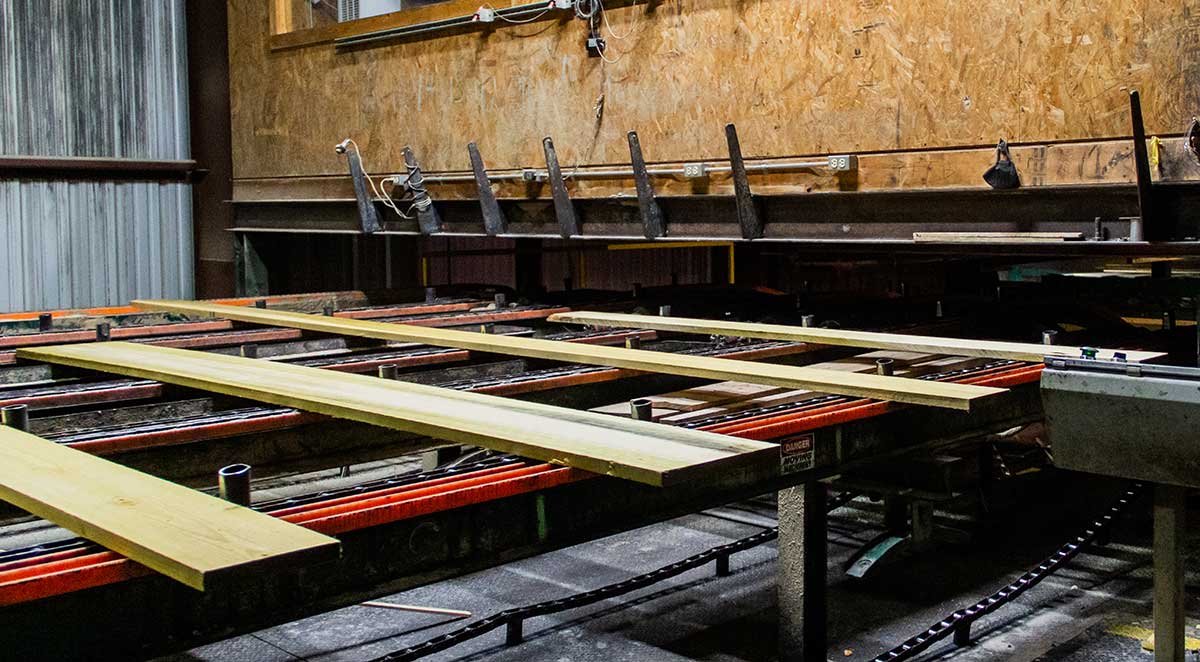
The Complete Guide to Appalachian Hardwood Grades
This comprehensive guide will walk you through the complex world of hardwood grading, with specific attention to the unique characteristics of Appalachian varieties. We'll help you understand how these grades affect your procurement decisions, production outcomes, and bottom line.
Learn More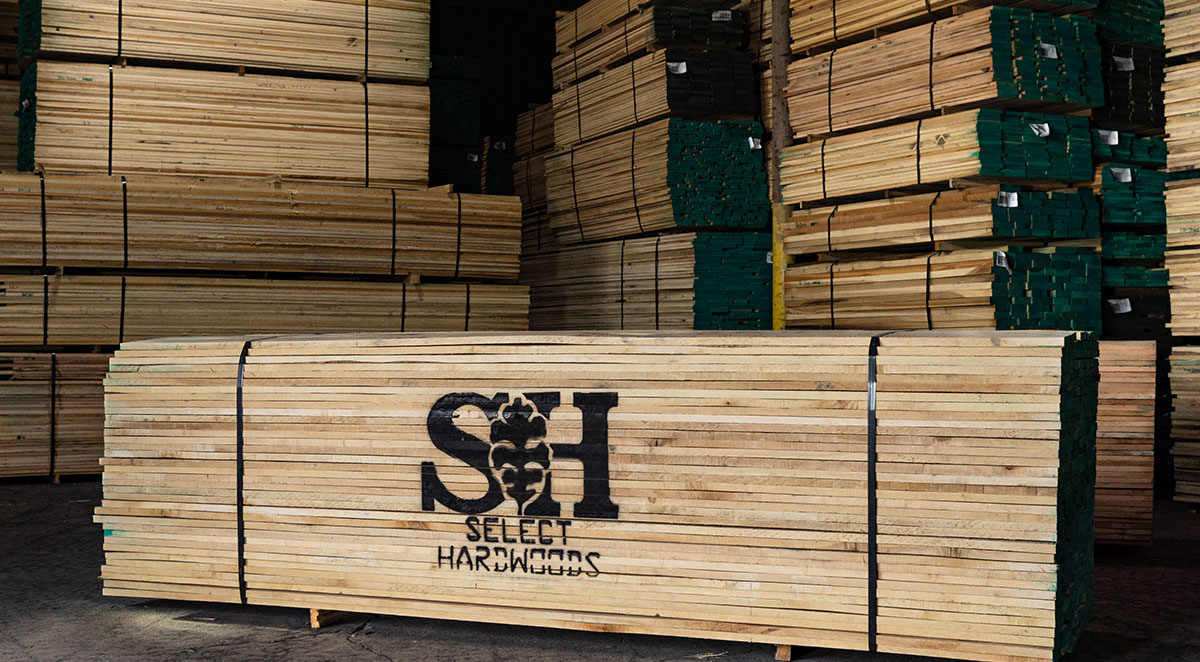
What Is Hardwood Lumber?
For both builders and homeowners, understanding what hardwood lumber is, how it differs from softwood, and its applications in construction and design is essential. This guide explains hardwood lumber in detail, highlights its benefits, and outlines its many applications.
Learn More
The Benefits of Planing Lumber for Export
The Church and Church Planer Mill produces Appalachian hardwood lumber, white pine lumber, yellow pine lumber, and rift-and-quartered white oak. For importers, partnering with a mill that provides this level of preparation creates real and measurable benefits. These benefits influence everything from shipping efficiency to machining performance to long-term product reliability.
Learn More