Sycamore
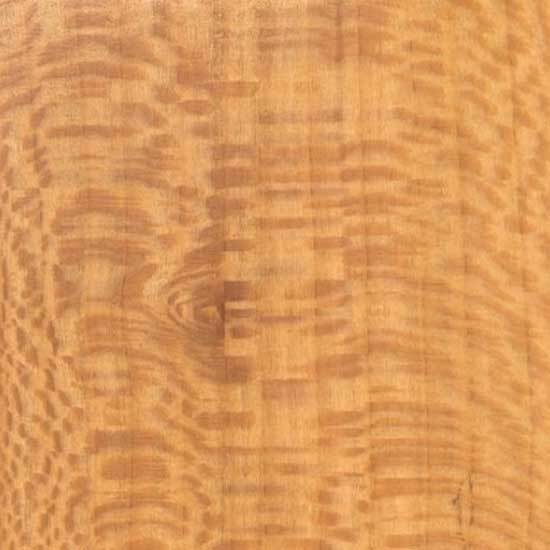
Sycamore is an American hardwood known for its fine texture, interlocked grain, and useful contrast with other species. The sapwood is white to light yellow, while the heartwood ranges from light brown to dark brown. This color range gives sycamore a clean but varied appearance, especially when used in furniture, paneling, millwork, and decorative applications.
Sycamore has a fine, close texture with interlocked grain. That grain structure affects both its appearance and its working properties. It can help the wood resist splitting, but it also requires the right tools and techniques during machining to prevent chipping. When handled properly, sycamore can produce an excellent finished result.
Physical Characteristics
Sycamore is classified as moderate in weight, hardness, stiffness, and shock resistance. It also has good bending qualities and turns well on a lathe, making it useful for shaped parts, kitchenware, toys, and other turned or formed products.
- Color Variation: Sycamore sapwood is white to light yellow, while the heartwood ranges from light brown to dark brown.
- Texture and Grain: Sycamore has a fine, close texture with interlocked grain.
- Contrast With Other Species: Sycamore contrasts well with other hardwood species, making it useful in furniture and decorative applications.
- Weight and Hardness: Sycamore is moderate in both weight and hardness.
- Stiffness and Shock Resistance: Sycamore has moderate stiffness and moderate shock resistance.
- Bending Qualities: Sycamore has good bending qualities, making it useful for shaped parts and specialty components.
- Turning Performance: Sycamore turns well on a lathe and can be used for turned products.
- Drying and Movement: Sycamore dries fairly rapidly, has moderate shrinkage, and shows little movement in performance, though it has a tendency to warp during drying.
Applications
Common applications for Sycamore include:
- Furniture: Sycamore can be used in furniture where a fine texture and visual contrast are desired.
- Furniture Parts: Sycamore is commonly used for furniture parts, including drawer sides.
- Millwork: Sycamore is useful in millwork applications where clean machining and a smooth finished appearance are important.
- Paneling And Moulding: Sycamore can be used for paneling and moulding, especially where its contrast with other species is part of the design.
- Flooring: Sycamore can be used in flooring applications where moderate hardness and a distinctive hardwood appearance are desired.
- Kitchenware: Sycamore is used in kitchenware because it machines, turns, and finishes well.
- Butcher Blocks: Sycamore can be used in butcher blocks and similar products.
- Toys: Sycamore is suitable for toys and small manufactured wood products.
- Fruit Crates: Sycamore is used in fruit crates and other utility wood products.
Select Hardwoods Sycamore
Select Hardwoods supplies sycamore for customers who need a domestic hardwood with fine texture, interlocked grain, moderate physical properties, and strong visual contrast. Sycamore is a practical choice for furniture makers, millwork producers, panel manufacturers, flooring manufacturers, kitchenware producers, toy manufacturers, and other hardwood buyers.
Because sycamore has interlocked grain and a tendency to warp during drying, proper preparation and selection matter. Select Hardwoods can help customers evaluate sycamore for applications where appearance, machining requirements, staining, gluing, turning performance, and finished stability are important.
For Domestic Sales:
Contact Josh Gowan
336-262-9696
For Export Sales:
Contact John Linn
336-566-8350
Additional Information
For more information about Sycamore and other hardwood products, explore our related product pages and blog content covering hardwood characteristics, applications, grades, and milling processes to help you choose the right hardwood for your project.
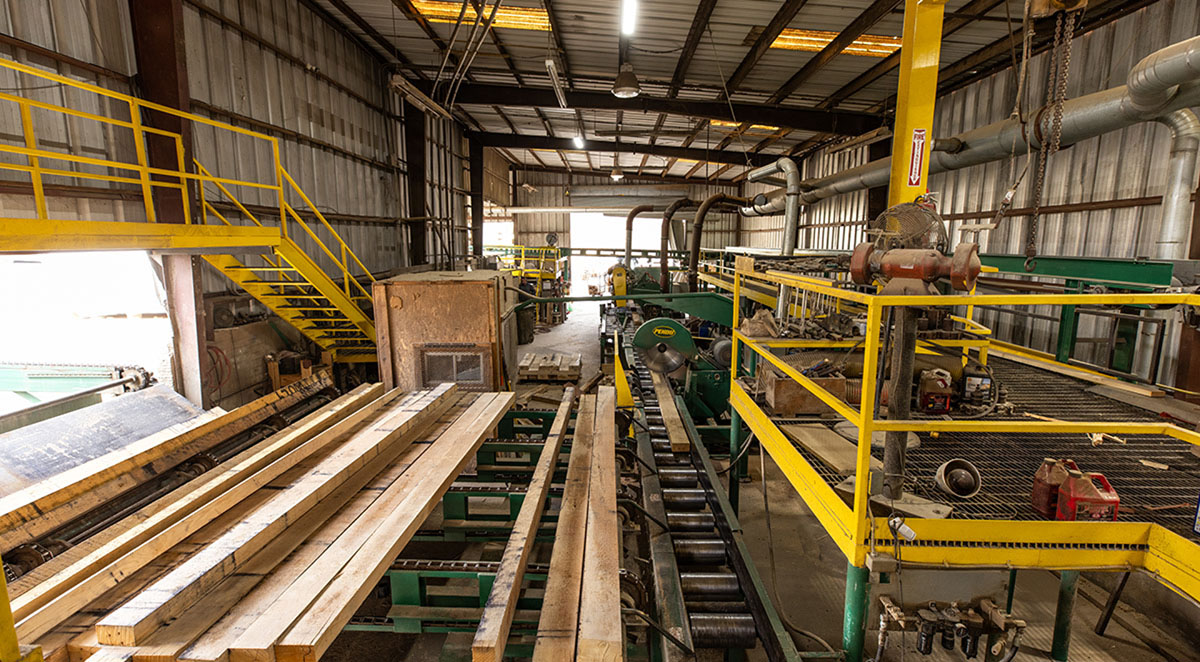
What Is a Sawmill? A Guide for Builders and Landowners
Whether you are a builder sourcing high-quality lumber for a project or a landowner with standing timber, understanding how sawmills work helps you make better decisions. This guide explains what sawmills do, the types of sawmills you might encounter, and why it matters where wood is processed.
Learn More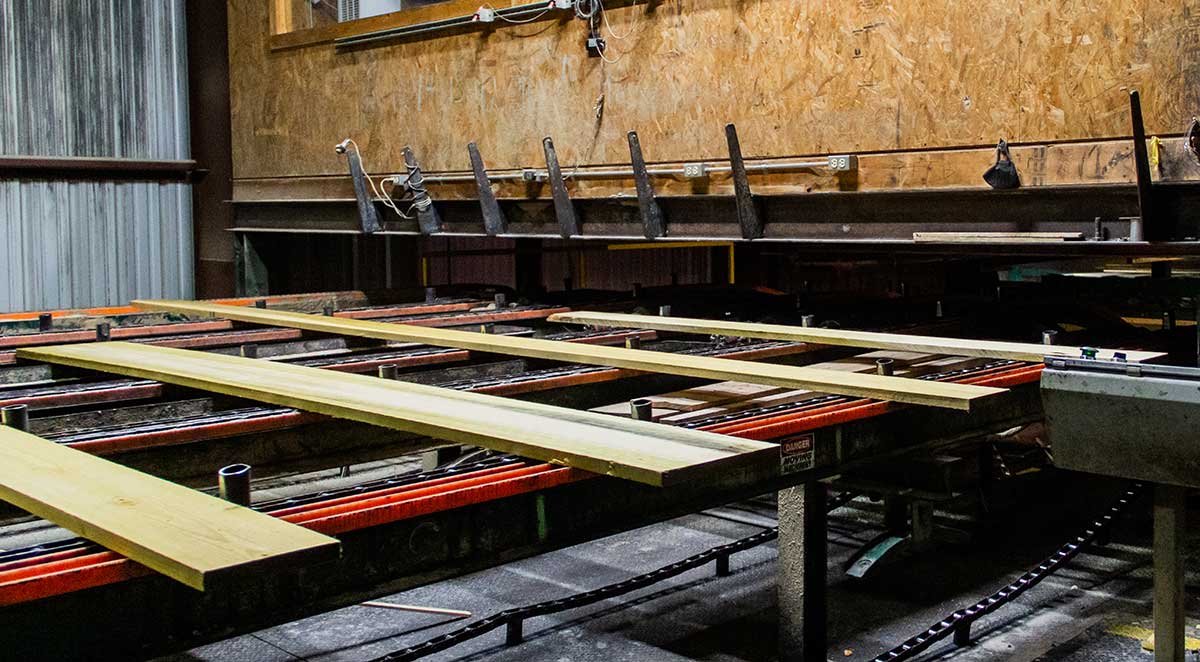
The Complete Guide to Appalachian Hardwood Grades
This comprehensive guide will walk you through the complex world of hardwood grading, with specific attention to the unique characteristics of Appalachian varieties. We'll help you understand how these grades affect your procurement decisions, production outcomes, and bottom line.
Learn More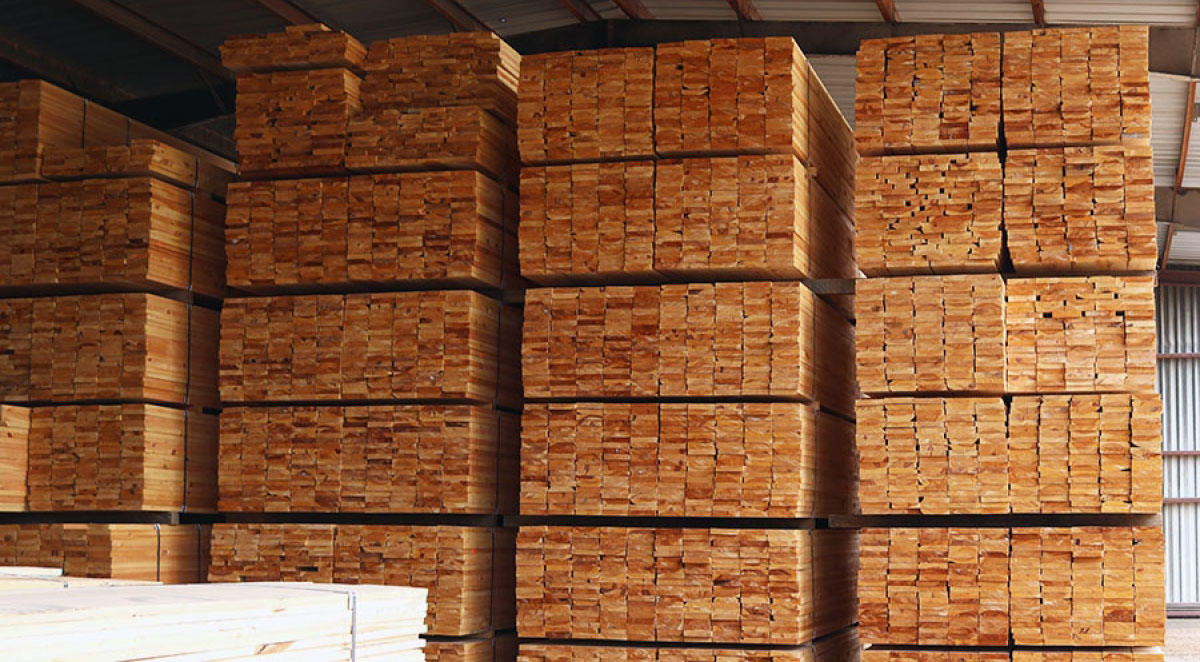
The Planer Mill’s Role in the High-Quality Lumber Process
Every finished board starts as a standing tree. What happens between those two points determines the board’s quality, stability, appearance, and usability. At Church and Church Lumber Company, we manage this process from the forest all the way through our Planer Mill. This article breaks down how we get from log to finished board, focusing especially on the role of the planer mill at the final stage of production.
Learn More
Everything You Need to Know About Hardwoods for Flooring
In this comprehensive guide, we'll dive deep into everything you need to know about hardwoods for flooring, covering wood species, finishes, grades, installation techniques, and much more. Whether you're starting your research or finalizing your flooring project, this listicle will help you make an informed decision.
Learn More