Cherry
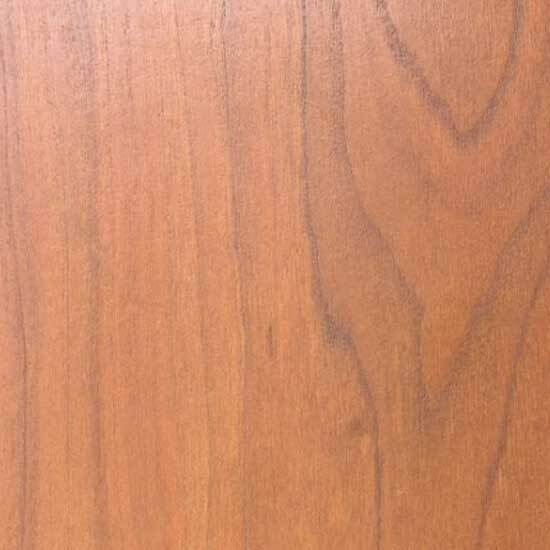
Cherry is a highly valued American hardwood known for its rich color, fine texture, and smooth finished appearance. The heartwood of cherry varies from rich red to reddish brown and darkens with age and exposure to light. In contrast, the sapwood is creamy white, creating a noticeable difference between the lighter outer wood and darker heartwood.
Cherry has a straight grain with a fine, uniform, satiny, and smooth texture. It may naturally contain brown pith flecks and small gum pockets, which are part of the species’ character. Because of its appearance, workability, and finishing quality, cherry is often selected for fine furniture, cabinetry, moulding, millwork, paneling, doors, and other applications where appearance and finish matter.
Cherry Grades
Physical Characteristics
Cherry is a medium-density hardwood with good bending properties, low stiffness, medium strength, and medium shock resistance. It is valued less for heavy structural performance and more for its combination of beauty, workability, dimensional stability, and smooth finishing qualities.
- Color Variation: Cherry heartwood ranges from rich red to reddish brown, while the sapwood is creamy white.
- Color Change: Cherry heartwood darkens with age and exposure to light, giving finished pieces a deeper tone over time.
- Texture and Grain: Cherry has a straight grain with a fine, uniform, satiny, and smooth texture.
- Natural Character: Cherry may contain brown pith flecks and small gum pockets.
- Density: Cherry is a medium-density hardwood, making it manageable to work while still offering dependable performance.
- Strength Values: Cherry has low stiffness with medium strength and medium shock resistance.
- Bending Properties: Cherry has good bending properties that add to its usefulness in furniture, millwork, and shaped components.
- Drying And Stability: Cherry dries fairly quickly with moderately high shrinkage, but it is dimensionally stable after kiln-drying.
Applications
Common applications for Cherry include:
- Fine Furniture: Cherry is a classic choice for fine furniture because of its rich color, smooth texture, and attractive aging characteristics.
- Cabinet Making: Cherry is widely used in cabinet making, especially when a warm, refined hardwood appearance is desired.
- Kitchen Cabinets: Cherry kitchen cabinets offer strong visual depth and a smooth finish that darkens naturally over time.
- Moulding And Millwork: Cherry works well for trim, moulding, and custom millwork because it machines cleanly and finishes smoothly.
- Paneling: Cherry paneling provides a warm, polished look for interior spaces.
- Flooring: Cherry can be used for flooring where color, grain, and finish quality are priorities.
- Doors: Cherry is used for interior doors and other door applications where appearance is important.
- Boat Interiors: Cherry’s smooth texture and attractive color make it useful for interior boat components.
- Musical Instruments: Cherry can be used in musical instruments and specialty wood products.
- Turnings: Cherry turns well and is useful for shaped and rounded components.
Carvings: Cherry’s fine texture and workability make it suitable for carved details and decorative pieces.
Select Hardwoods Cherry
Select Hardwoods supplies poplar for customers who need a dependable, easy-working hardwood for furniture, cabinetry, millwork, paneling, doors, moulding, and other interior applications. Poplar is a practical choice when the finished product needs clean machining, reliable gluing, and strong paint or stain performance.
Because poplar takes and holds paint, enamel, and stain exceptionally well, it is often selected for projects where finish quality is a major priority. Select Hardwoods can help hardwood buyers evaluate poplar for applications that require workability, consistency, and attractive finished results. Contact us for help with Poplar.
For Domestic Sales:
Contact Josh Gowan
336-262-9696
For Export Sales:
Contact John Linn
336-566-8350
Additional Information
For more information about Cherry and other hardwood products, explore our related product pages and blog content covering hardwood characteristics, applications, grades, and milling processes to help you choose the right hardwood for your project.
What Is A Planer Mill?
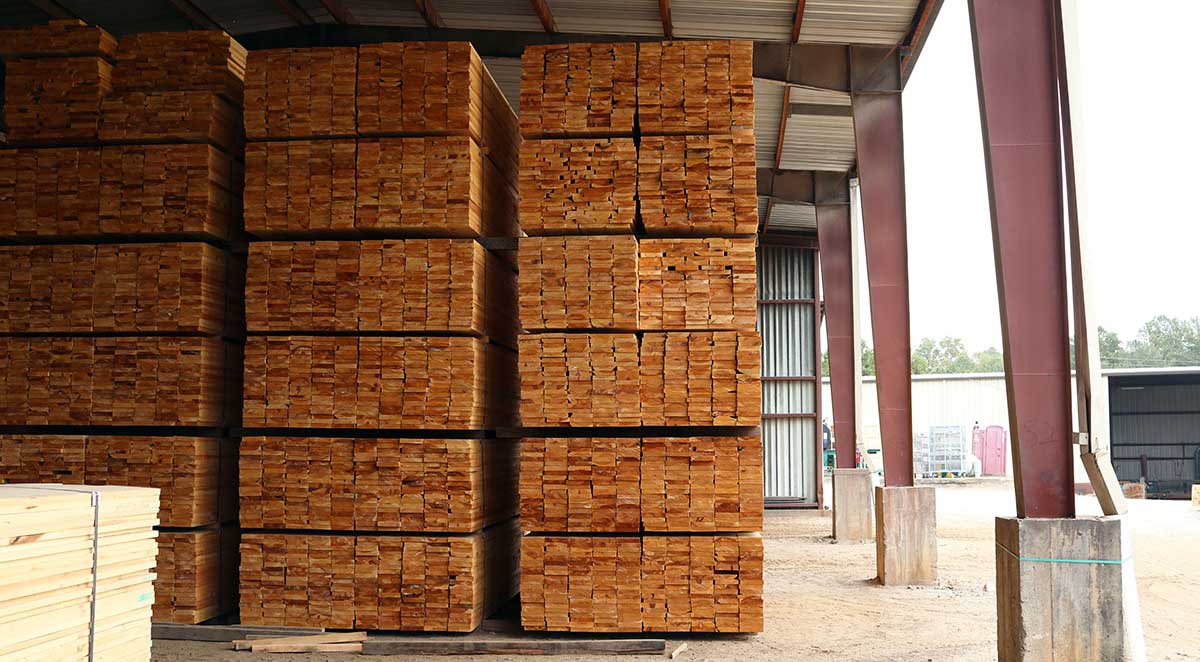
For builders, furniture makers, and manufacturers, understanding the role of a planer mill is essential. At Church & Church Planer Mill, every board we deliver is accurate, consistent, and ready for its intended purpose. In this article, we’re discussing what a planer mill does and how Church and Church can help you get what you need for your next project.
Learn More
Hardwoods vs. Softwoods
Both hardwoods and softwoods have unique lumber qualities and are utilized by the industry for various timber products. This article will discuss the two tree groups related to their place in the forest ecosystem and their qualities and characteristics regarding lumber products.
Learn More
What Are The Most Damaging Tree Diseases In NC?
In this comprehensive blog, we will explore the most destructive tree diseases in the region, their symptoms, how they spread, and strategies for prevention and management.
Learn More
How Your Land Can Help You Save On Taxes
Whether you own vacant land, farmland, timberland, or even recreational property, there are various strategies that can help you reduce your tax burden. This guide will explore the best ways to use your land to save on taxes, offering actionable tips for landowners.
Learn More